
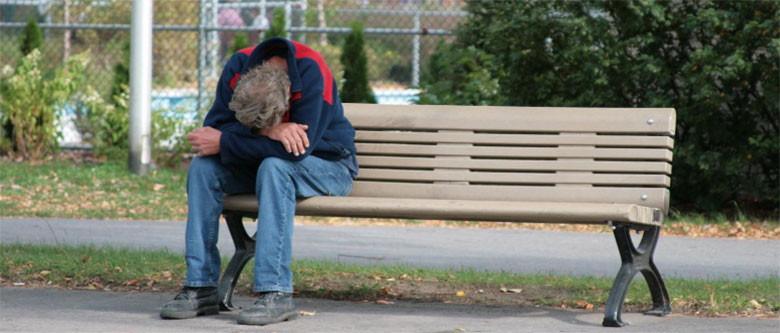
Sadness in Men: Challenging the Stigma
We’re calling for the stigma around mental health to be challenged and dismantled. While men are equally as likely to suffer from depression as women, they’re significantly less likely to seek help. This translates to a high rate of suicide among men. Tackling the taboo around men’s mental health is one of the ways we can all help to save lives.
Depression and S.A.D in Men
Worryingly, recent statistics highlight the fact that men in the UK are facing increased levels of depression and seasonal affective disorder, which, when left untreated, can progress to thoughts of self-harm and suicide. The latest report on suicide rates in England and Wales from the Office for National Statistics found that in 2021, three-quarters of suicides were committed by men, resulting in 4,129 male deaths out of a total of 5,583. The report also found that those aged between 50 and 54 years old were the most at risk. This is consistent with trends from previous years, showing that men are at a significant increased risk of suicide compared to women.
Why are Men at Higher Risk of Suicide?
Despite men being just as likely to suffer from depression and seasonal affective disorder as women, they are at a higher risk of suicide due to the perceived stigma around men’s mental health. Studies indicate that men are much less likely than women to seek out help or advice when it comes to their mental health, due to feeling embarrassed or like they should be able to cope by themselves.
The Mental Health Foundation revealed that men make up just 34% of referrals for NHS talking therapy, while a UK clinical patient centre, Priory, found that 40% 1000 men who were surveyed had never spoken to anyone about their mental health. Being “too embarrassed” to talk about it, was cited as the reason by 29% of survey participants, and 20% noted a “negative stigma” being the reason they wouldn’t talk to anyone about feeling low. The survey also revealed that 40% of men admitted they wouldn’t speak to a doctor unless they began to feel suicidal.
A 2019 report by Mind found similar results. They studied 2,000 men and women, revealing that “traditional masculine values such as self-reliance and stoicism” resulted in men feeling unable to ask for help. Undoubtedly, the way in which men feel they should not seek help for depression is a huge contributing factor to the imbalance of suicide rates between men and women, and this will only change when the opinions and values within our society change to allow men to feel comfortable discussing their mental health.
Recognising Depression and S.A.D in Men
Alongside challenging the stigma around men’s mental health, we also need to raise awareness of the symptoms men experience when they’re suffering from different types of depression, so we can identify the warning signs, offer support or help them seek guidance.
Men who are suffering from depression are likely to exhibit signs of irritability, aggression, low mood, low self-esteem, hopelessness, worry, shame, and a lack of motivation or interest in their usual hobbies. They may also experience thoughts of self-harm or suicide. Many men with depression will retreat from social life, avoid friends and family members, and have a lack of energy.
A decrease in libido, appetite, and irregular sleep are also common signs of depression in men. Seasonal affective disorder (S.A.D) is a type of depression which is linked to seasonal and environmental changes, most notably the lower levels of light in autumn and winter which can have a negative effect on both mind and body. Men suffering from S.A.D may exhibit symptoms similar to those with depression, with flare ups more consistent during autumn and winter.
We Can All Make a Difference
The negative stigma around men’s mental health is not just a male issue. The barriers men feel exist around them are a result of attitudes and ideas pervasive throughout our society, and the only way we can change this is by talking openly about it. Until we challenge the attitudes held within our communities about men’s mental health, men will continue to remain silent in their times of need, contributing to feelings of isolation, shame, and loneliness. Ultimately, it’s this lack of openness which can lead to self-harm and suicide.
We all play a part in helping men to feel safe and supported with issues of mental health, enabling them to recognise signs of depression in themselves, and seeking out help where necessary. Challenging traditional masculine values is key to helping men and boys develop healthy relationships with themselves and others, allowing them to feel comfortable and nurtured. Start a conversation about men’s mental health today.
Credit & thanks to Millie Fuller.